Senior Care 101: How Assisted Living, Independent Living, and Nursing Homes Actually Compare
Business Name: BeeHive Homes of Floydada TX
Address: 1230 S Ralls Hwy, Floydada, TX 79235
Phone: (806) 452-5883
BeeHive Homes of Floydada TX
Beehive Homes assisted living care is ideal for those who value their independence but require help with some of the activities of daily living. Residents enjoy 24-hour support, private bedrooms with baths, medication monitoring, home-cooked meals, housekeeping and laundry services, social activities and outings, and daily physical and mental exercise opportunities. Beehive Homes memory care services accommodates the growing number of seniors affected by memory loss and dementia. Beehive Homes offers respite (short-term) care for your loved one should the need arise. Whether help is needed after a surgery or illness, for vacation coverage, or just a break from the routine, respite care provides you peace of mind for any length of stay.
1230 S Ralls Hwy, Floydada, TX 79235
Business Hours
Families hardly ever start looking into senior care due to the fact that they have spare time and interest. Many show up in crisis or near it. A fall, a hospital stay, a roaming occurrence, or an unexpected awareness that the bills are not being paid. Then the vocabulary starts flying: independent living, assisted living, skilled nursing, memory care, respite care. Everything sounds technical, yet the decisions are deeply personal.
I have actually sat at a lot of kitchen tables with adult kids trying to make sense of those words. They bring spreadsheets, guilt, old promises about "never putting mom in a home," and an intense desire not to slip up. The fact is, there is no perfect setting. There are trade‑offs, and they look different for an increasingly independent 78‑year‑old than they provide for a frail 92‑year‑old with sophisticated dementia.

What follows is a useful guide to how independent living, assisted living, and nursing homes function in real life, how respite care fits in, and what tends to work best for different levels of requirement. The goal is not to offer you on a particular alternative, but to assist you see what these locations are actually like as soon as the pamphlets are put away.
What these terms really mean
The senior care industry uses shorthand that puzzles households. It helps to remove it back to the basics.
Independent living is real estate with features customized for older grownups who are mostly self‑sufficient. Think of it as a home or home in a neighborhood where practically everybody is retired, meals and activities are offered, and somebody will examine you if you are missing at supper, but you handle your own individual care and medical needs.
Assisted living is for older grownups who can no longer safely manage all daily jobs alone, but do not need 24‑hour medical guidance. Personnel assist with bathing, dressing, medications, and in some cases mobility. There is normally a nurse on site, but the setting feels residential, not clinical.
Nursing homes, also called proficient nursing centers, provide the highest level of healthcare outside a healthcare facility. Citizens frequently have complicated medical conditions, need extensive support with daily activities, or require rehab after surgical treatment or illness. The environment is more controlled, with certified nursing readily available around the clock.
Respite care is short‑term care in any of these settings, generally for a few days to a few weeks. It is designed to give household caregivers a break, test‑drive a neighborhood, or cover spaces during illness, travel, or home modifications.
Within those broad categories, quality and culture differ extensively. Two assisted living neighborhoods 3 miles apart can seem like totally different worlds. Local policies also shape what each type of community is enabled to do, particularly around medical tasks.
Key differences at a glance
A narrative explanation helps, but sometimes you require a fast picture to orient you. The following contrast uses the normal model in lots of parts of the United States. Local guidelines, private communities, and other nations can differ, so treat this as a working map, not a legal definition.
-
Independent living: Citizens are self‑sufficient, with optional support from outside services. Concentrate on lifestyle, socialization, and convenience rather than medical care.
-
Assisted living: Citizens require regular aid with personal care or medications however do not need continuous nursing oversight. Staff assistance life, and the setting intends to seem like home.
-
Nursing home: Homeowners have serious, continuous medical or functional requirements. Certified nurses exist at all times, and healthcare, rehab, and guidance are central.
-
Respite care: Short‑term stay, usually in assisted living or a nursing home. Offers short-lived elderly care when household assistance is not available or requires relief.
This framework helps you match your relative's requirements with the best level of senior care before you get lost in sales tours.
Independent living: Flexibility with a security net
Independent living is often the initial step out of a long‑time home. It works finest for older grownups who are still handling their own medications, finances, and individual care but are tired of home maintenance or are feeling too isolated.
From the resident's viewpoint, the appeal is simple. No more snow shoveling, roofing system leaks, or stressing who will repair the water heater. Meals can be provided, though many locals still like to prepare. There are next-door neighbors in comparable life phases, and activities ranging from book clubs to physical fitness classes. Transport to medical consultations is common.
The tricky part is that independent living is not a medical model. Staff are not anticipated to help with bathing, toileting, or hands‑on transfer support. They are not typically tracking blood sugar level or blood pressures. If a resident begins to fall regularly, forgets to consume, or mismanages medications, the community will often suggest working with in‑home caregivers or transferring to assisted living.
Families sometimes misjudge this. I have actually seen independent living apartment or condos filled with grab bars, walkers, and pill organizers, plus a resident who is clearly overwhelmed. On paper, they "live separately." In practice, their lifestyle is poor, and they are one damaged hip far from a forced move.
Independent living works well when:
- The older adult values personal privacy and control, and still manages everyday jobs reliably.
- There is some local assistance, whether from household or paid services, that can step in as requirements change.
- The person is socially open adequate to gain from neighborhood life, or at least neutral toward it.
It can be a poor fit if loneliness, medication confusion, or risky mobility are already major issues. Relocating to independent living because situation frequently purchases only a brief window before another move is needed.
Assisted living: Support for day-to-day life
Assisted living beings in the middle of the senior care spectrum, and for lots of older adults it is the sweet spot. The resident has their own home or suite. They bring their furniture, images, and preferred chair. Meals, housekeeping, and laundry are dealt with. Personnel help with personal care, and someone is always close by.
At its finest, assisted living preserves dignity while quietly covering a net around the susceptible parts of day-to-day routine. A resident might need assistance actioning in and out of the shower however can clean their own hair. Or they can dress themselves if someone lays out the clothes. Or respite care BeeHive Homes of Floydada TX they are psychologically sharp but physically limited by Parkinson's or extreme arthritis.
Medication management is often the single crucial service. In numerous assisted living communities, staff store and administer medications, track refills, and collaborate with pharmacies. For individuals managing blood pressure pills, blood slimmers, diabetes medications, and more, this is not a luxury. It prevents ER visits.
However, households often anticipate assisted living to work like a mini health center. That is not reasonable. Assisted living personnel are trained in elderly care and personal assistance, however they are not staffed like a severe care unit.
Typical limits in assisted living include:
- Residents generally require to be medically steady. Severe oxygen needs, unmanaged habits, or quickly altering conditions might require a greater level of care.
- Most communities can not provide continuous one‑on‑one supervision, such as for a resident who attempts to stand and walk every couple of minutes in spite of extreme fall risk.
- There are generally rules around lifting and transfers. If a resident requires two team member to transfer safely, not every assisted living site can accommodate that.
From a cost viewpoint, assisted living is frequently personal pay. Regular monthly fees differ commonly by region but can vary from the low thousands to well over 6 thousand dollars per month, depending on apartment size and care level. Care charges are often tiered: as requirements increase, so do costs.
Families ought to look beyond the decoration. Observe how personnel speak to homeowners in the hallways and dining room. Ask how they manage falls, how typically care plans are reviewed, and what occurs if the resident's requirements increase. Communities that address these questions plainly and without deflecting provide a much better safeguard over time.
Nursing homes: Healthcare and long‑term support
Nursing homes occupy a challenging place in public creativity. Lots of older adults say, sometimes securely, "I never want to end up in a home." That worry is rooted in older designs of institutional care and in really real stories of poor‑quality centers. It is likewise true that for some people, a good proficient nursing facility is the best, most proper option.
Nursing homes supply 24‑hour nursing supervision, medication administration, injury care, feeding help, and rehab therapies such as physical, occupational, and speech therapy. Homeowners may be short‑term, recuperating from joint replacement, stroke, or major infection. Or they might be long‑term, living there for several years with sophisticated dementia, extreme mobility limitations, or complicated medical needs.
The environment is more medical. You will see med carts, lifts, treatment fitness centers, and personnel in scrubs. Laws are stricter than in assisted living. There are care strategy conferences, routine physician oversight, and comprehensive paperwork requirements.
From a useful perspective, someone may require a nursing home if:
- They are bedbound or require overall support for mobility and individual care.
- They have regular or complicated medical interventions: feeding tubes, IV medications, advanced injury care, or complex breathing support.
- Their cognitive or behavioral symptoms need structured supervision that assisted living can not securely provide.
One nuance many households find out the tough way: short‑term rehabilitation stays are often covered for a minimal time by insurance coverage or national health systems after a qualifying hospital stay, but long‑term custodial care (help with bathing, dressing, toileting) is normally not covered the very same method. Individuals lack rehab days or protection and transition to private pay or public long‑term care programs. Understanding this monetary shift early prevents stressed decisions later.
Quality differences across nursing homes are plain. In some, call lights ring constantly, citizens sit slumped in wheelchairs, and personnel turnover is constant. In others, personnel understand homeowners by label, treatment is proactive, and households feel included. Visiting at different times of day, talking with families in the lobby, and asking personnel for how long they have actually worked there often informs you more than any ranking website.
Where respite care fits in
Respite care is among the most underused tools in senior care. It is short-term residential care that offers family caregivers a break or bridges a shift. Respite can happen in assisted living, a nursing home, or often specialized short‑stay units.
Typical circumstances:
A child caring for her father with mid‑stage dementia requires to take a trip for work for a week. She arranges a 10‑day respite stay in a memory‑capable assisted living community. Her father gets structured activities and supervision; she gets to do her task without constant worry.
A partner caretaker is exhausted however feels guilty confessing. A social employee suggests a two‑week respite in a competent nursing center. Throughout that time, the partner has their own medical consultations, captures up on sleep, and assesses whether home care stays realistic.
An older adult is released from the healthcare facility after pneumonia. They are still weak, and the family is uncertain if they can manage at home securely. A brief rehab remain in a nursing home functions as respite and as a trial run. If strength returns, they can go back home or to independent living. If not, the household has more time to plan long‑term arrangements.
Respite care slots can be limited, especially throughout peak times like vacations. They generally need advance preparation, updated medical information, and an evaluation to confirm the setting can fulfill the individual's requirements. For numerous households, though, respite is the pressure valve that prevents burnout or risky caregiving situations.
Daily life: What in fact changes from one setting to another
Brochures tend to highlight amenities. Locals and households care more about how the day unfolds.
In independent living, early mornings depend nearly entirely on the resident's choices. Some sleep late and consume coffee in their kitchen space. Others head directly to the dining-room. Staff may sign in subtly, for instance by noting who has not come to meals, but there is no expectation that citizens follow a specific schedule.
In assisted living, everyday rhythms are shaped by care requirements. Staff develop schedules for bathing assistance, medication rounds, and housekeeping. A resident might get help with showering two times each week, medication administration three times each day, and support preparing yourself in the early morning and at bedtime. Activities are used at set times, yet citizens still have flexibility to choose whether to join.
In nursing homes, the structure is tighter. Medication administration, treatments, and therapy sessions follow medical routines. Meals occur on schedule, often with designated seating in dining-room or provided at the bedside. Versatility is possible, especially in higher‑quality facilities, but life is more regulated simply due to the fact that scientific tasks must be completed.
Families sometimes stress that structure equates to loss of autonomy. In reality, for somebody living with significant special needs, structure can feel supporting. The secret is whether staff method routines with respect and collaboration. "How would you like to start your early morning?" feels really different from "Time to get up, we need to get this done."
Safety, self-respect, and danger: Discovering a workable balance
One of the hardest parts of senior care preparation is balancing safety with autonomy. Specialists in elderly care speak about "self-respect of risk" - the concept that adults can make choices that include some danger, as long as they understand and accept the consequences.
In practice, this looks different in each setting:
In independent living, the neighborhood may highly encourage fall prevention procedures, but residents can still decline grab bars or select to use a rolling office chair instead of a steady dining chair. As long as they are able to make informed decisions, their right to deal with threat is broad.
In assisted living, the lines are blurrier. Staff are accountable for resident security, yet they are likewise anticipated to honor choices. If a resident with a history of falls insists on strolling without a walker, the care group will likely involve the household, document the discussion, and try to work out. They may arrange for physical treatment to evaluate gait or schedule supervised walks.
In nursing homes, security issues carry even more weight due to the fact that regulative examination and liability threats are high. That does not eliminate resident rights, but it narrows the range of acceptable threats. For example, a resident who eliminates a fall alarm might still be enabled to do so, but staff should reveal that they examined cognition, educated the resident, and executed alternative measures.
Families often lean greatly towards safety, especially after a scare. Older adults tend to lean toward independence, particularly if they already feel their world shrinking. The healthiest choices usually come from truthful conversations where both viewpoints are called and appreciated, rather than rushed choices made in the shadow of a crisis.
Money: How costs and coverage really work
Money shapes senior care alternatives more than many households want to confess. It is unpleasant to put a dollar sign beside lifestyle, however disregarding expenses does not make them disappear.
Independent living is typically private pay. Monthly charges vary based upon location, size of unit, and included services. Utilities, meals, housekeeping, and social shows are typically bundled. Medical insurance hardly ever covers this setting due to the fact that it is thought about real estate, not medical care.
Assisted living is also generally personal pay, with some local exceptions for limited public financing programs. Base lease covers the apartment and standard services. Care charges are included based on an evaluation of requirements, like help with bathing, dressing, or medication management. As requirements grow, monthly costs frequently increase.
Nursing homes are more intricate. Short‑term skilled rehab after a medical facility stay may be partly or completely covered for a defined period, if particular criteria are satisfied. Long‑term house for custodial care is different. Coverage depends heavily on nation and regional policies, but many people either pay privately till they get approved for public long‑term care programs, or they depend on a mix of personal funds and public aids from the start.
Respite care can be private pay or subsidized by caregiver assistance programs, long‑term care insurance, or local social services. Coverage guidelines differ widely. Many families assume respite is covered, just to discover that benefits are restricted or need preauthorization.
A frank early conversation with a financial organizer, elder law attorney, or social employee who comprehends regional advantages saves heartbreak later on. Good preparation thinks about not only regular monthly fees, however also what takes place if the older adult lives longer than expected, becomes widowed, or needs to move to a greater level of care.
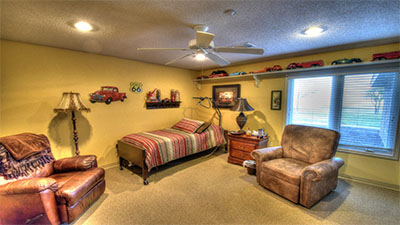
How health modifications push the need to step up care
People rarely move straight from independent living to a nursing home without something changing. Patterns typically emerge.
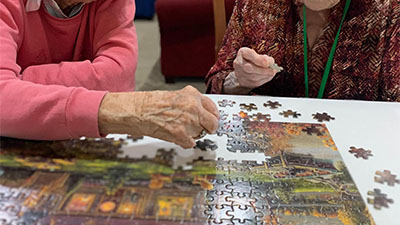
For example, memory decline starts as small lapses: misplaced secrets, a missed consultation. Then expenses pile up, appliances are left on, driving becomes doubtful. Initially, in‑home aid can compensate. In time, the threat of leaving the stove on or roaming at night may make assisted living with memory care a much better option.
Mobility problems follow another course. An individual with arthritis may stroll more slowly, but securely, for several years. Include a stroke or a hip fracture, and all of a sudden transfers, toileting, and bathing need two individuals and special devices. At that point, assisted living may no longer be able to fulfill transfer requirements, and a nursing home becomes the more secure choice.
Chronic diseases can tip the balance too. Somebody with cardiac arrest and diabetes may manage well in independent or assisted living for a long time with good outpatient care. Numerous hospitalizations in a year, intensifying shortness of breath, or duplicated medication modifications might signify that closer medical oversight is required.
Families often feel guilty when health modifications force a relocation. They see it as a failure to honor guarantees or to "keep mom in the house." A more precise frame is that the individual's requirements evolved, and the care environment required to develop with them. That is not a broken guarantee. It is responsible adaptation.
Questions to ask when you tour a community
When you walk into a senior neighborhood, it is simple to be swayed by chandeliers or, on the other side, by a faint disinfectant smell. Specific questions grounded in how care works will inform you far more.
-
What occurs if my relative's needs increase? Can they remain here, or would they need to move?
-
How do you handle falls, medical emergencies, and medical facility transfers during nights and weekends?
-
Who gives medications, how are modifications interacted, and how do you lower errors?
-
How do you identify and respond to solitude, isolation, or depression amongst residents?
-
Can you explain a current difficult circumstance with a resident and how your group fixed it?
Ask personnel for concrete examples and listen closely to how they discuss homeowners. Do they use considerate language? Do they understand homeowners' stories? Do they explain households as partners or as obstacles?
After the tour, trust your quieter impressions too. How did locals look and sound? Did personnel appear rushed or present? Did anybody talk directly to the older adult you are supporting, or did they just address you?
Matching the individual to the place
Choosing amongst independent living, assisted living, nursing homes, and respite care is less about labels and more about fit.
A 79‑year‑old retired instructor who still drives, volunteers, and handles her own medications might prosper in independent living, gaining friends and dropping the burdens of own a home. A 90‑year‑old widower with moderate dementia, unstable walking, and weight reduction might regain stability in assisted living, with constant meals, social contact, and cueing for hygiene and medications. A 75‑year‑old stroke survivor who is incapacitated on one side and has a feeding tube will likely be most safe in a nursing home with round‑the‑clock nursing and rehabilitation.
Senior care choices work best when they start early, before a disastrous occasion. Even one exploratory tour of a community before it is urgently required modifications the tone later. The older grownup has a possibility to state, "I liked that location with the garden," or "I will never ever live somewhere that smells like bleach," and those choices can assist the household when crisis comes.
No setting can erase the vulnerabilities that age and health problem bring. The genuine objective is more modest and more significant: select a location that supports as much independence as is safely possible, safeguards from avoidable harm, and enables the older grownup to remain an individual with a history and a voice, not simply a list of medical diagnoses and tasks.
Independent living, assisted living, nursing homes, and respite care are tools. Used thoughtfully, each can offer convenience, safety, and dignity at different points along the aging journey. The difficulty is not to select the best tool at last, however to keep changing the fit as life unfolds.
BeeHive Homes of Floydada TX provides assisted living care
BeeHive Homes of Floydada TX provides memory care services
BeeHive Homes of Floydada TX provides respite care services
BeeHive Homes of Floydada TX supports assistance with bathing and grooming
BeeHive Homes of Floydada TX offers private bedrooms with private bathrooms
BeeHive Homes of Floydada TX provides medication monitoring and documentation
BeeHive Homes of Floydada TX serves dietitian-approved meals
BeeHive Homes of Floydada TX provides housekeeping services
BeeHive Homes of Floydada TX provides laundry services
BeeHive Homes of Floydada TX offers community dining and social engagement activities
BeeHive Homes of Floydada TX features life enrichment activities
BeeHive Homes of Floydada TX supports personal care assistance during meals and daily routines
BeeHive Homes of Floydada TX promotes frequent physical and mental exercise opportunities
BeeHive Homes of Floydada TX provides a home-like residential environment
BeeHive Homes of Floydada TX creates customized care plans as residents’ needs change
BeeHive Homes of Floydada TX assesses individual resident care needs
BeeHive Homes of Floydada TX accepts private pay and long-term care insurance
BeeHive Homes of Floydada TX assists qualified veterans with Aid and Attendance benefits
BeeHive Homes of Floydada TX encourages meaningful resident-to-staff relationships
BeeHive Homes of Floydada TX delivers compassionate, attentive senior care focused on dignity and comfort
BeeHive Homes of Floydada TX has a phone number of (806) 452-5883
BeeHive Homes of Floydada TX has an address of 1230 S Ralls Hwy, Floydada, TX 79235
BeeHive Homes of Floydada TX has a website https://beehivehomes.com/locations/floydada/
BeeHive Homes of Floydada TX has Google Maps listing https://maps.app.goo.gl/VQckTu3ewiBFL32A7
BeeHive Homes of Floydada TX has Facebook page https://www.facebook.com/BeeHiveHomesFloydada
BeeHive Homes of Floydada TX has an Youtube page https://www.youtube.com/@WelcomeHomeBeeHiveHomes
BeeHive Homes of Floydada TX won Top Assisted Living Homes 2025
BeeHive Homes of Floydada TX earned Best Customer Service Award 2024
BeeHive Homes of Floydada TX placed 1st for Senior Living Communities 2025
People Also Ask about BeeHive Homes of Floydada TX
What is BeeHive Homes of Floydada TX Living monthly room rate?
The rate depends on the level of care that is needed. We do an initial evaluation for each potential resident to determine the level of care needed. The monthly rate is based on this evaluation. There are no hidden costs or fees
Can residents stay in BeeHive Homes until the end of their life?
Usually yes. There are exceptions, such as when there are safety issues with the resident, or they need 24 hour skilled nursing services
Do we have a nurse on staff?
No, but each BeeHive Home has a consulting Nurse available 24 – 7. if nursing services are needed, a doctor can order home health to come into the home
What are BeeHive Homes’ visiting hours?
Visiting hours are adjusted to accommodate the families and the resident’s needs… just not too early or too late
Do we have couple’s rooms available?
Yes, each home has rooms designed to accommodate couples. Please ask about the availability of these rooms
Where is BeeHive Homes of Floydada TX located?
BeeHive Homes of Floydada TX is conveniently located at 1230 S Ralls Hwy, Floydada, TX 79235. You can easily find directions on Google Maps or call at (806) 452-5883 Monday through Sunday 9:00am to 5:00pm
How can I contact BeeHive Homes of Floydada TX?
You can contact BeeHive Homes of Floydada TX by phone at: (806) 452-5883, visit their website at https://beehivehomes.com/locations/floydada/,or connect on social media via Facebook or Youtube
Floydada City Park offers shaded seating and walking paths where residents in assisted living, memory care, senior care, elderly care, and respite care can enjoy gentle outdoor time.