Why Smaller Senior Care Homes Make Assisted Living Seem Like Home
Business Name: BeeHive Homes of Floydada TX
Address: 1230 S Ralls Hwy, Floydada, TX 79235
Phone: (806) 452-5883
BeeHive Homes of Floydada TX
Beehive Homes assisted living care is ideal for those who value their independence but require help with some of the activities of daily living. Residents enjoy 24-hour support, private bedrooms with baths, medication monitoring, home-cooked meals, housekeeping and laundry services, social activities and outings, and daily physical and mental exercise opportunities. Beehive Homes memory care services accommodates the growing number of seniors affected by memory loss and dementia. Beehive Homes offers respite (short-term) care for your loved one should the need arise. Whether help is needed after a surgery or illness, for vacation coverage, or just a break from the routine, respite care provides you peace of mind for any length of stay.
1230 S Ralls Hwy, Floydada, TX 79235
Business Hours
Families typically start looking at assisted living or broader senior care options due to the fact that something has altered. A fall. Missed out on medications. Increasing confusion. Or a partner silently confessing, "I can't do this alone anymore."
That is senior care near me when the pamphlets start piling up, and a lot of them look the exact same: large structures, hotel-style lobbies, restaurant-style dining. On paper, it can be difficult to understand why some families instead select a small senior care home that looks practically like a regular home on a peaceful street.
The distinction typically becomes clear the moment you stroll through the door.
The feel of a front door, not a lobby
When I tour families through small assisted living homes, the very first thing they comment on is not the care plan or the activity calendar. They observe the smell of soup simmering on the range. The household pictures on the mantle. The television quietly playing in the background rather of roaring in a typical room. It seems like someone's home since it is.
In a small residential senior care home, you generally see 6 to 16 locals, not 80 or 120. Caretakers work in the kitchen area, assist with laundry, and sit at the very same table. The rhythm of the day feels closer to domesticity than to a program.
That environment matters more than most families recognize. Older grownups who have currently given up driving, maybe lost pals or a partner, and are coping with health modifications are being asked to adjust yet again. A homelike environment softens that shift. Residents can relax into a location that acts like a home instead of a facility.
I have actually seen individuals who hardly left their rooms in large assisted living neighborhoods come to life in a smaller setting: sitting at the cooking area island peeling apples, chatting with caretakers, or signing up with a neighbor on the outdoor patio. Same individual, very same medical diagnosis, various environment.
Why size directly affects quality of care
The size of a senior care setting is not simply cosmetic. It changes what is possible.
In a small assisted living home, care staff usually understand every resident's regimens by heart: how they like their coffee, which t-shirt they choose on Sundays, whether they tend to wander at 3 a.m. That depth of familiarity is difficult to build when staff are accountable for a long hallway of apartments.
To comprehend the compromises, it assists to take a look at a few essential distinctions between larger communities and smaller homes.
-
Staffing patterns and continuity
In big structures, staffing often works by zones or corridors. A caretaker may be responsible for 12 to 20 citizens on a shift, in some cases more. Turnover can be high, which implies locals continuously meet new faces. In a small home with 6 to 10 citizens, a caregiver's project may cover the entire home. Ratios vary, but it prevails to see one caretaker for 3 to 5 locals throughout the day in better small homes, and lower at night. This suggests more time per individual and quicker action to needs. -
Supervision and safety
Families often fret about security, especially with memory problems. In a large assisted living setting, a resident can stroll a long distance from their room to typical areas, and staff may not discover immediately if something is wrong. In a smaller home, typical areas and bedrooms are more detailed together. Caretakers can see and hear more merely by existing in the living space. This does not replace proper fall-prevention or safe and secure exits when dementia is involved, however it gives an integrated layer of natural oversight. -
Flexibility of routines
Large neighborhoods often count on schedules for performance: set meal times, shower days, group activities at fixed hours. Some citizens delight in the structure, but others discover it rigid. In a small senior care home, it is simpler to bend around the person. If someone prefers a late breakfast or a peaceful bath in the afternoon, there is less bureaucracy to navigate. Personnel can state, "Sure, let's do that," instead of, "We will see if we can fit you onto the schedule." -
Staff relationships and accountability
In small settings, everyone sees whatever. If a resident has a poor hunger for 2 days, the caregiver, the nurse, and typically the owner or administrator will observe and discuss it. There is less room for somebody to "slip through the cracks." I have actually seen small homes determine urinary system infections, medication negative effects, and mood changes previously just due to the fact that staff regularly see the very same few people in close quarters.
None of this means a huge assisted living community automatically provides poor senior care. Some are exceptional, with strong staffing and thoughtful programs. Size simply sets the stage. It shapes how care is provided and how quickly personnel can maintain real, customized attention.
Emotional safety: being understood, not just cared for
The medical side of elderly care is only half the picture. Emotional security matters just as much, particularly for people facing loss of independence.
In a small home, homeowners normally find out each other's names within days. They see the very same team member day after day. They observe when somebody is missing from breakfast and inquire about them. There is a sort of common intimacy: the caretaker who understands precisely when to bring the cardigan, or the fellow resident who remembers somebody's favorite dessert.
I keep in mind one woman, Margaret, who moved into a small home after 2 challenging months in a much larger assisted living facility. In the larger setting, she spent most of her time in her space. She told her daughter, "I feel like I am in a hotel where I do not know anybody." In the small home, the supervisor welcomed her at the door, helped her hang family images, and sat with her at the table that initially night. Within a week, she and another resident were watching old musicals together every afternoon.
Nothing about her care strategy changed in a technical sense. Very same medications, exact same diagnosis, same walker. The distinction was easy: she felt known.
When older adults feel known, three things tend to follow. First, they take part more. They are more likely to come to the table, join conversations, or choose a walk in the yard. Second, they interact signs previously due to the fact that they feel someone is genuinely listening. Third, behavior issues tied to anxiety or confusion often alleviate, specifically in dementia, due to the fact that the environment feels predictable and supportive.
Large buildings can absolutely create pockets of this kind of belonging. Some do it well. Small homes, by their very nature, start closer to that goal.
How smaller homes manage altering care needs
Families often fret that a small senior care home will not have the ability to deal with increasing needs, especially for dementia, mobility issues, or complicated medical conditions. This is a fair concern, and it does not have a single response, because regulations and designs differ by region.
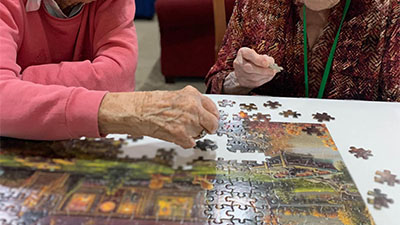
Many residential assisted living homes are licensed to supply assist with all the usual activities of daily living: bathing, dressing, toileting, moving, and medication administration or management. Some also specialize in memory care, with qualified staff and protected environments for those with Alzheimer's or other dementias. A subset works carefully with visiting hospice firms to support citizens at the end of life, which allows many people to avoid another disruptive move.
Where small homes can have a hard time is with highly technical medical needs: ventilators, frequent IV medications, or complex wound care that requires a nurse on-site for long blocks of time. In those cases, a knowledgeable nursing facility or particular medical setting might be safer and more appropriate.
The useful concern for households is not "Can a small home deal with whatever?" but "Can this particular home manage what my loved one requires now, and fairly manage what we expect over the next year or two?" Well-run homes will be honest about their limitations. If a company guarantees they can manage any level of care no matter what, without ever needing to transfer somebody, that is a cautioning sign more than a reassurance.
It is likewise essential to ask how the home collaborates with outdoors healthcare providers. Excellent homes maintain close communication with primary care doctors, home health, therapy service providers, and hospice teams. They are used to scheduling mobile laboratory draws, arranging transportation to visits, and keeping an eye on for changes that may signal infection, medication issues, or pain.
The distinct function of respite care in small homes
Respite care can be a lifeline for family caretakers who are reaching their limitation. It describes short-term stays, generally from a few days up to a few weeks, where the older adult moves into an assisted living or senior care setting momentarily. This offers the primary caregiver a chance to rest, travel, or take care of other responsibilities.
Small residential care homes are often ideal locations for respite care, specifically for someone who has never resided in any kind of senior community before. Moving momentarily into a very large assisted living building with long corridors and lots of unknown faces can be frustrating. A smaller home feels closer to what the individual currently knows.
There is also a practical benefit. Staff in a small home can usually acclimate a respite guest more quickly, since there are fewer citizens to find out and less regimens to manage. I have actually seen families utilize a a couple of week respite remain in a small home as a sort of "test drive." The older adult gets a feel for shared living, the family sees how personnel interact with them, and both sides can choose whether a longer-term arrangement feels right.
For caregivers in your home, respite in a small setting also offers comfort. They understand their loved one is not lost in the shuffle and that any concern is more likely to be discovered promptly.
Trade-offs: when larger assisted living neighborhoods make sense
Smaller is not automatically better for every single person or every scenario. Large assisted living neighborhoods offer some benefits that deserve calling clearly.
They typically have more formal programming: numerous daily activities, on-site health clubs, chapels, salons, and transport for group trips. Extroverted citizens, or those still quite independent, may thrive because environment. Someone who likes large-group bingo, organized exercise classes, and a dining-room dynamic with conversation might find a big community more stimulating.
Big buildings also often have on-site medical clinics, therapy gyms, or pharmacy services. For particular complicated conditions, or when frequent rehab is needed, this can be convenient. Rates can often be more predictable also, with standardized packages and business policies.
Financially, there is no universal guideline. Some small homes are more budget friendly than large neighborhoods, specifically in markets where real estate expenses are lower and overhead is modest. Others are quite pricey, especially if they keep extremely low staff-to-resident ratios. Households require to compare not simply the base rate but also the care charges, medication fees, and add-ons.
Lastly, some older adults just choose the sensation of a bigger, busier place. They like having several dining-room, formal events, or the sense of living in a "neighborhood" rather than a single house. Character and preference matter as much as diagnosis.
What "homelike" really means in practice
The word "homelike" appears in nearly every senior care brochure. In a smaller residential home, it needs to be more than marketing language. It should be visible in the small, daily details.
Meals, for example, are normally prepared in the kitchen area where locals can see and smell what is occurring. Breakfast might not be a set plated meal however a discussion: "Do you seem like oatmeal or eggs today?" Residents may assist set the table or fold napkins. Even if somebody does not actively take part, just enjoying the natural circulation of a household can be grounding.
Bedrooms seem like real spaces, not hotel systems. There is frequently more versatility about bringing furnishings from home, hanging art, or reorganizing things. When somebody wakes confused in the evening, they are just a couple of steps from a caregiver's bedroom or personnel office.
Noise levels are various too. Instead of overhead paging systems or big tvs in every common area, you hear the sounds of a regular home: water running, a radio in the kitchen, 2 citizens chatting near the window. For people with dementia or sensory sensitivity, this calmer environment can decrease agitation and overwhelm.
Families likewise tend to integrate differently. In a small home, there is generally no requirement to arrange visits around sophisticated sign-in systems or browse a huge car park. Member of the family walk in, greet personnel by first name, and often end up sharing a cup of coffee at the table. Vacations can feel like extended household gatherings, with adult children, grandchildren, and staff all weaving together.
Questions to ask when exploring a small senior care home
Choosing a senior care setting is not about discovering excellence. It is about matching a genuine person, with specific requirements and choices, to a real place with particular strengths and limits. To make that match, families need practical, pointed questions.
Here is a simple list to bring when you tour a small assisted living or residential care home:
- What is the common staff-to-resident ratio throughout days, evenings, and nights, and how knowledgeable are the caregivers?
- Exactly which care tasks are included in the base rate, and what costs additional if my loved one's needs increase?
- How do you handle medical issues after hours, and who decides when to send someone to the hospital?
- How do you integrate brand-new homeowners emotionally, specifically if they are shy, nervous, or coping with dementia?
- What kinds of respite care stays do you use, and just how much notice do you require to accept a short-term guest?
Listen not simply to the responses, however to how personnel respond. Do they speak in specifics or in generalities? Are they comfortable acknowledging limitations? Do you see caretakers connecting with homeowners in real time, and if so, does it feel warm and genuine or rushed and task-focused?
Trust your observations as much as the shiny products. Notification smells, sounds, body language, and simple things like whether call lights, if present, are ignored or answered quickly.
When staying home is no longer working
A quiet truth in elderly care is that the majority of people wish to remain at home, but not everyone can do so securely. Families frequently wait till a crisis to think about assisted living, by which time options narrow. Exploring choices early, specifically smaller homes, can reduce that pressure.
For some older adults, the transition to a small senior care home can feel less like "going into a center" and more like transferring to a various family household where help is just built in. That frame of mind shift matters. It honors the individual as more than a set of care tasks and acknowledges their need for belonging, familiarity, and dignity.
Respite care is a gentle method to start that exploration. A week in a small home, framed as a short stay while the family caretaker rests or travels, offers everyone genuine info about how the older adult responds to shared living. Sometimes, the person surprises the household by saying they feel safer or less lonely. Sometimes, it verifies that home with extra support remains the better alternative for now.
Either method, the choice is made with experience, not simply speculation.
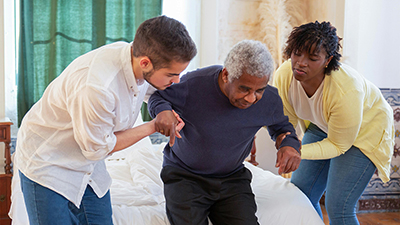
The heart of the matter: home as a sensation, not an address
Assisted living, senior care, and respite care are technical terms, however under them sits an easy human question: "Where will I still feel like myself?" For numerous older grownups, particularly those who find large, institutional environments intimidating, the answer lies in smaller residential homes.
These homes can not change the history and intimacy of somebody's original house. They can, nevertheless, use something just as essential in this stage of life: a location where regimens feel familiar, staff seem like extended household, and the scale of daily life matches what an older mind and body can conveniently navigate.
When households enter a small assisted living home and say, frequently with some surprise, "This actually seems like a home," they are indicating the real worth of these environments. Not chandeliers or grand lobbies, but a pot on the range, a well-worn recliner, a caretaker leaning in to hear a story they have probably heard 3 times before and still deal with as new.
That feeling is hard to quantify on a comparison chart. Yet for the older grownup who has actually quit a lot already, it can make all the difference in between merely receiving care and genuinely living someplace that feels like home.
BeeHive Homes of Floydada TX provides assisted living care
BeeHive Homes of Floydada TX provides memory care services
BeeHive Homes of Floydada TX provides respite care services
BeeHive Homes of Floydada TX supports assistance with bathing and grooming
BeeHive Homes of Floydada TX offers private bedrooms with private bathrooms
BeeHive Homes of Floydada TX provides medication monitoring and documentation
BeeHive Homes of Floydada TX serves dietitian-approved meals
BeeHive Homes of Floydada TX provides housekeeping services
BeeHive Homes of Floydada TX provides laundry services
BeeHive Homes of Floydada TX offers community dining and social engagement activities
BeeHive Homes of Floydada TX features life enrichment activities
BeeHive Homes of Floydada TX supports personal care assistance during meals and daily routines
BeeHive Homes of Floydada TX promotes frequent physical and mental exercise opportunities
BeeHive Homes of Floydada TX provides a home-like residential environment
BeeHive Homes of Floydada TX creates customized care plans as residents’ needs change
BeeHive Homes of Floydada TX assesses individual resident care needs
BeeHive Homes of Floydada TX accepts private pay and long-term care insurance
BeeHive Homes of Floydada TX assists qualified veterans with Aid and Attendance benefits
BeeHive Homes of Floydada TX encourages meaningful resident-to-staff relationships
BeeHive Homes of Floydada TX delivers compassionate, attentive senior care focused on dignity and comfort
BeeHive Homes of Floydada TX has a phone number of (806) 452-5883
BeeHive Homes of Floydada TX has an address of 1230 S Ralls Hwy, Floydada, TX 79235
BeeHive Homes of Floydada TX has a website https://beehivehomes.com/locations/floydada/
BeeHive Homes of Floydada TX has Google Maps listing https://maps.app.goo.gl/VQckTu3ewiBFL32A7
BeeHive Homes of Floydada TX has Facebook page https://www.facebook.com/BeeHiveHomesFloydada
BeeHive Homes of Floydada TX has an Youtube page https://www.youtube.com/@WelcomeHomeBeeHiveHomes
BeeHive Homes of Floydada TX won Top Assisted Living Homes 2025
BeeHive Homes of Floydada TX earned Best Customer Service Award 2024
BeeHive Homes of Floydada TX placed 1st for Senior Living Communities 2025
People Also Ask about BeeHive Homes of Floydada TX
What is BeeHive Homes of Floydada TX Living monthly room rate?
The rate depends on the level of care that is needed. We do an initial evaluation for each potential resident to determine the level of care needed. The monthly rate is based on this evaluation. There are no hidden costs or fees
Can residents stay in BeeHive Homes until the end of their life?
Usually yes. There are exceptions, such as when there are safety issues with the resident, or they need 24 hour skilled nursing services
Do we have a nurse on staff?
No, but each BeeHive Home has a consulting Nurse available 24 – 7. if nursing services are needed, a doctor can order home health to come into the home
What are BeeHive Homes’ visiting hours?
Visiting hours are adjusted to accommodate the families and the resident’s needs… just not too early or too late
Do we have couple’s rooms available?
Yes, each home has rooms designed to accommodate couples. Please ask about the availability of these rooms
Where is BeeHive Homes of Floydada TX located?
BeeHive Homes of Floydada TX is conveniently located at 1230 S Ralls Hwy, Floydada, TX 79235. You can easily find directions on Google Maps or call at (806) 452-5883 Monday through Sunday 9:00am to 5:00pm
How can I contact BeeHive Homes of Floydada TX?
You can contact BeeHive Homes of Floydada TX by phone at: (806) 452-5883, visit their website at https://beehivehomes.com/locations/floydada/,or connect on social media via Facebook or Youtube
Visiting the Floyd County Historical Museum offers educational displays and views that make for a light cultural stop during assisted living, senior care, and respite care visits.